Meeting a friendly-looking dog during a walk in the park can be a wonderful experience, but it’s important to remember that not every dog is comfortable interacting with strangers. Whether you’re a lifelong dog lover or considering bringing home a Cane Corso puppy, knowing how to approach an unfamiliar dog safely helps protect both you and the animal.
Dogs communicate through body language, and respecting their boundaries is an essential part of responsible pet ownership. In this guide, you’ll learn the safest way to greet an unfamiliar dog and understand the signals that indicate whether a dog is ready to interact.
Never Assume Every Dog Wants to Be Petted
Even if a dog appears calm or friendly, always remember that each dog has its own personality, experiences, and comfort level. Some dogs enjoy meeting new people, while others may be anxious, shy, recovering from training, or simply focused on their owner.
Before approaching any unfamiliar dog, pause and assess the situation rather than walking directly toward it.
Always Ask the Owner for Permission
The safest first step is to ask the dog’s owner if it’s okay to say hello.
A simple question like, “May I pet your dog?” shows respect and gives the owner the opportunity to explain whether their dog is comfortable with strangers.
If the owner declines, thank them and continue your walk. Respecting their answer helps keep everyone safe and reduces unnecessary stress for the dog.
Read the Dog’s Body Language
Dogs communicate constantly through posture, facial expressions, tail movement, and overall behavior.
Signs a Dog May Be Comfortable
- Relaxed body posture
- Loose, gently wagging tail
- Soft eyes
- Open mouth with relaxed expression
- Curious but calm behavior
- Willingly approaching at its own pace
Signs a Dog Needs Space
- Stiff posture
- Tail tucked tightly
- Growling
- Barking repeatedly
- Lip licking or yawning in stressful situations
- Ears pinned back
- Backing away
- Showing the whites of the eyes
If you notice any of these signs, give the dog extra space and avoid attempting to touch it.
Approach Calmly
If the owner gives permission and the dog appears relaxed, approach slowly without making sudden movements.
Avoid:
- Running toward the dog
- Leaning directly over its head
- Hugging the dog
- Reaching quickly toward its face
- Speaking loudly
Instead, stand sideways slightly and allow the dog to decide whether it wants to come closer.
Let the Dog Make the First Move
Rather than stepping into the dog’s personal space, remain still and allow it to approach you.
Many dogs feel more comfortable when they can investigate at their own pace.
If the dog sniffs your hand or stands nearby calmly, it may be ready for gentle interaction.
Pet the Right Areas
Most dogs prefer gentle strokes on areas such as:
- Chest
- Shoulder
- Side of the neck
- Side of the body
Avoid reaching immediately toward:
- The top of the head
- Face
- Tail
- Paws
Gentle movements help create a positive experience for both you and the dog.
Teach Children Safe Dog Etiquette
Children naturally become excited when they see dogs, but they should always learn proper safety habits.
Teach children to:
- Ask the owner’s permission first
- Stay calm
- Avoid screaming or running
- Never disturb a dog that is eating or sleeping
- Respect a dog’s space if it walks away
Adult supervision is always recommended during interactions between children and unfamiliar dogs.
Understanding Protective Breeds Like the Cane Corso
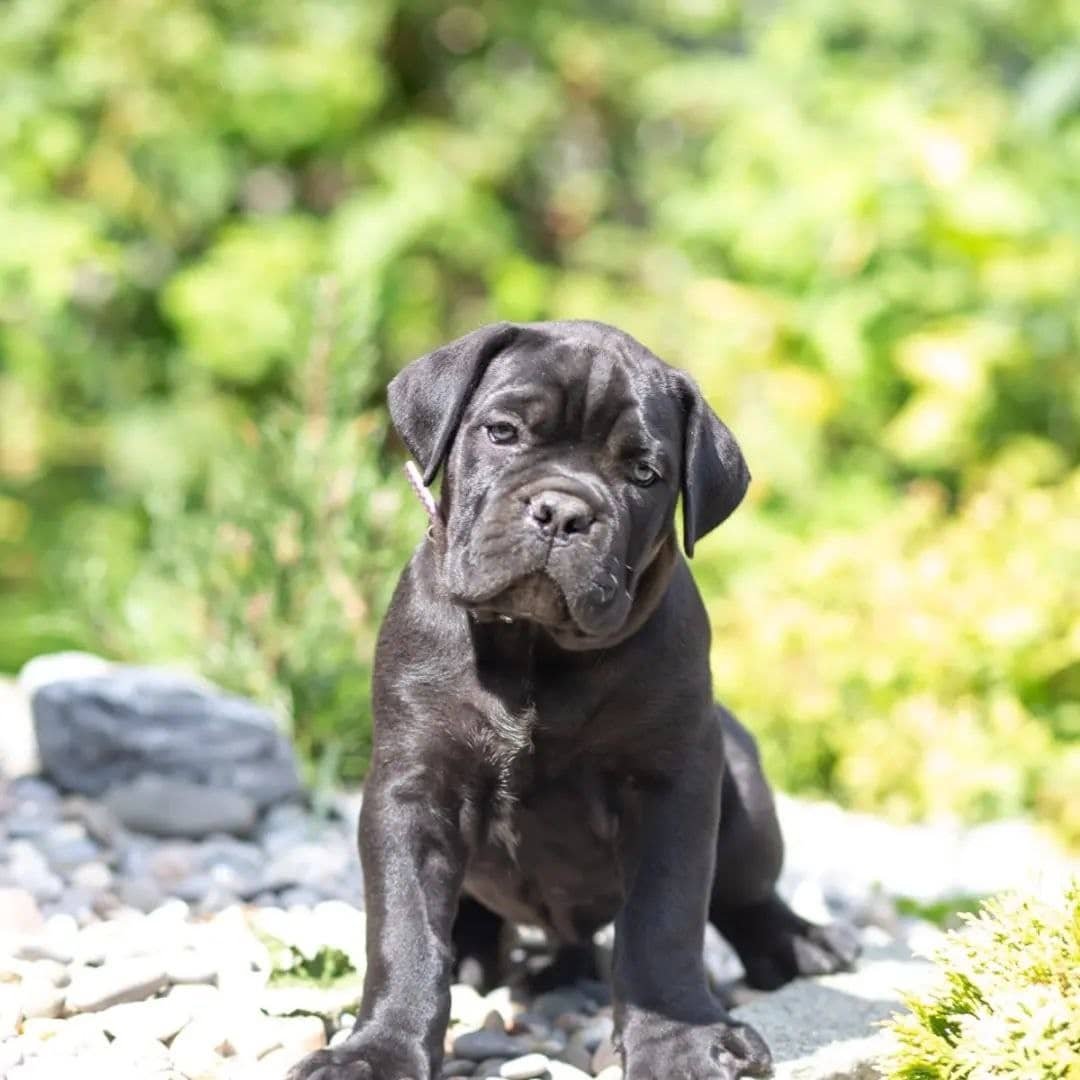
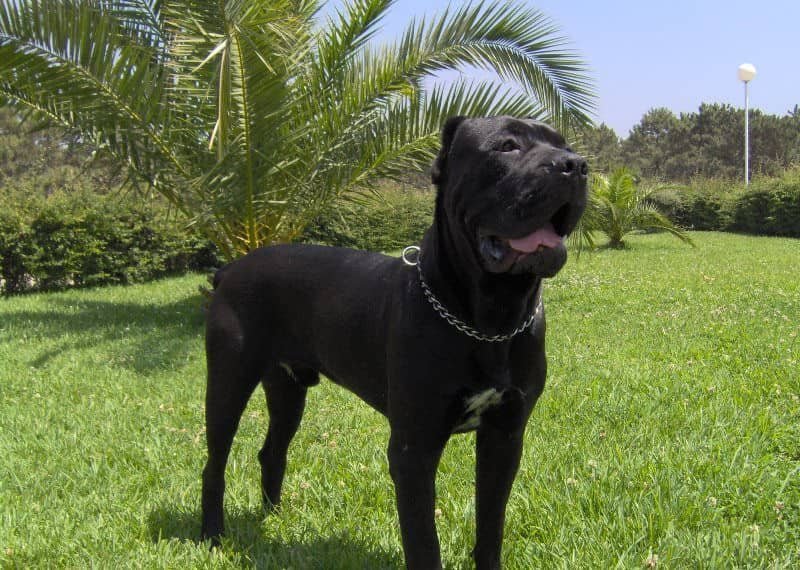
The Cane Corso is known for its intelligence, loyalty, and natural protective instincts. A well-socialized Cane Corso is typically calm, confident, and affectionate with its family, but like any breed, it should never be approached without the owner’s permission.
Responsible socialization from puppyhood helps Cane Corsos develop into stable, well-mannered adult dogs that can confidently handle new environments and experiences.
Owners play an important role in helping others interact with their dogs safely by communicating clearly and respecting their dog’s comfort level.
What to Do If a Dog Seems Nervous
If an unfamiliar dog appears uncomfortable:
- Stop moving toward it.
- Avoid direct eye contact.
- Give the dog space.
- Allow the owner to manage the situation.
- Walk away calmly if necessary.
Forcing interaction can increase stress and may lead to defensive behavior.
Preparing Your Own Cane Corso Puppy for Public Places
Early socialization is one of the best investments you can make in your puppy’s future.
Expose your Cane Corso gradually to:
- Parks
- Walking trails
- Friendly people
- Other vaccinated dogs
- Different sounds
- Various environments
These positive experiences help your puppy become confident and well-adjusted as it grows.
Responsible Dog Ownership Benefits Everyone
Whether you’re meeting dogs at the park or raising your own Cane Corso, responsible ownership creates safer and more enjoyable experiences for everyone.
This includes:
- Using a secure leash when required
- Keeping vaccinations current
- Continuing obedience training
- Respecting other park visitors
- Cleaning up after your dog
- Monitoring your dog’s comfort level during social interactions
Well-trained, socialized dogs are more likely to enjoy public outings while remaining calm around unfamiliar people and animals.
Final Thoughts
Approaching an unfamiliar dog should always be done with patience, respect, and awareness. By asking the owner’s permission, observing the dog’s body language, and allowing the dog to interact on its own terms, you can help ensure a safe and positive experience.
If you’re preparing to welcome a Cane Corso puppy into your family, teaching proper socialization and positive interactions from an early age lays the foundation for a confident, trustworthy companion. Every safe encounter helps strengthen your dog’s confidence and reinforces responsible ownership